Welcome to Light View Shutters and Blinds


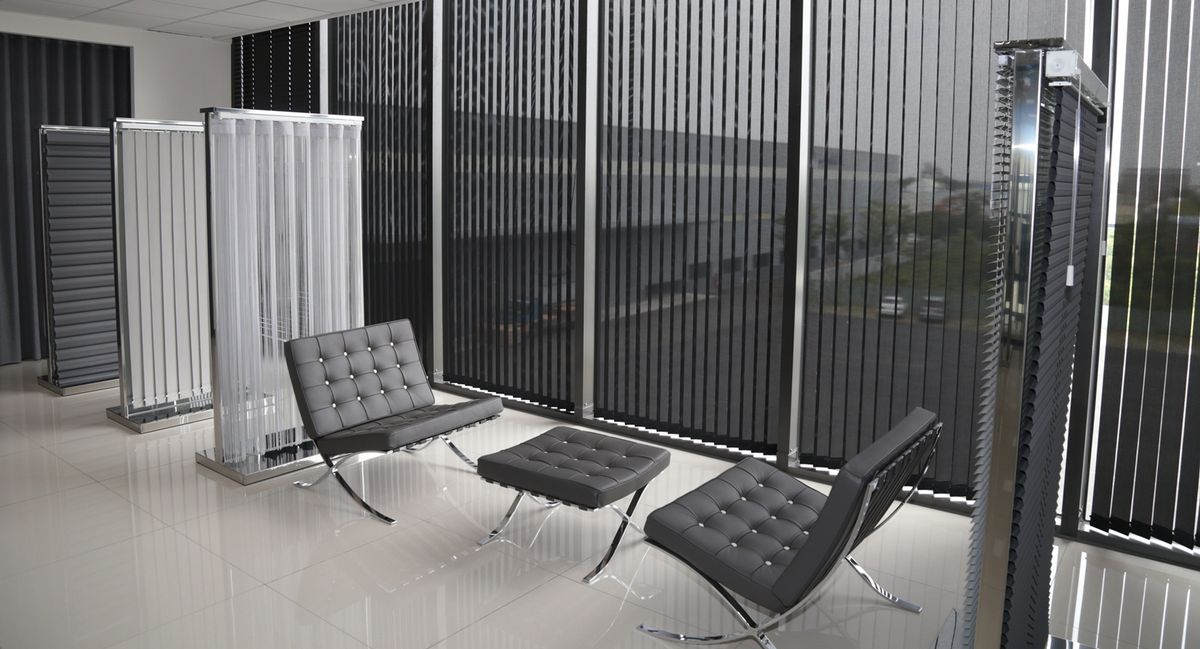
Choosing the Right Materials for Shutters & Blinds

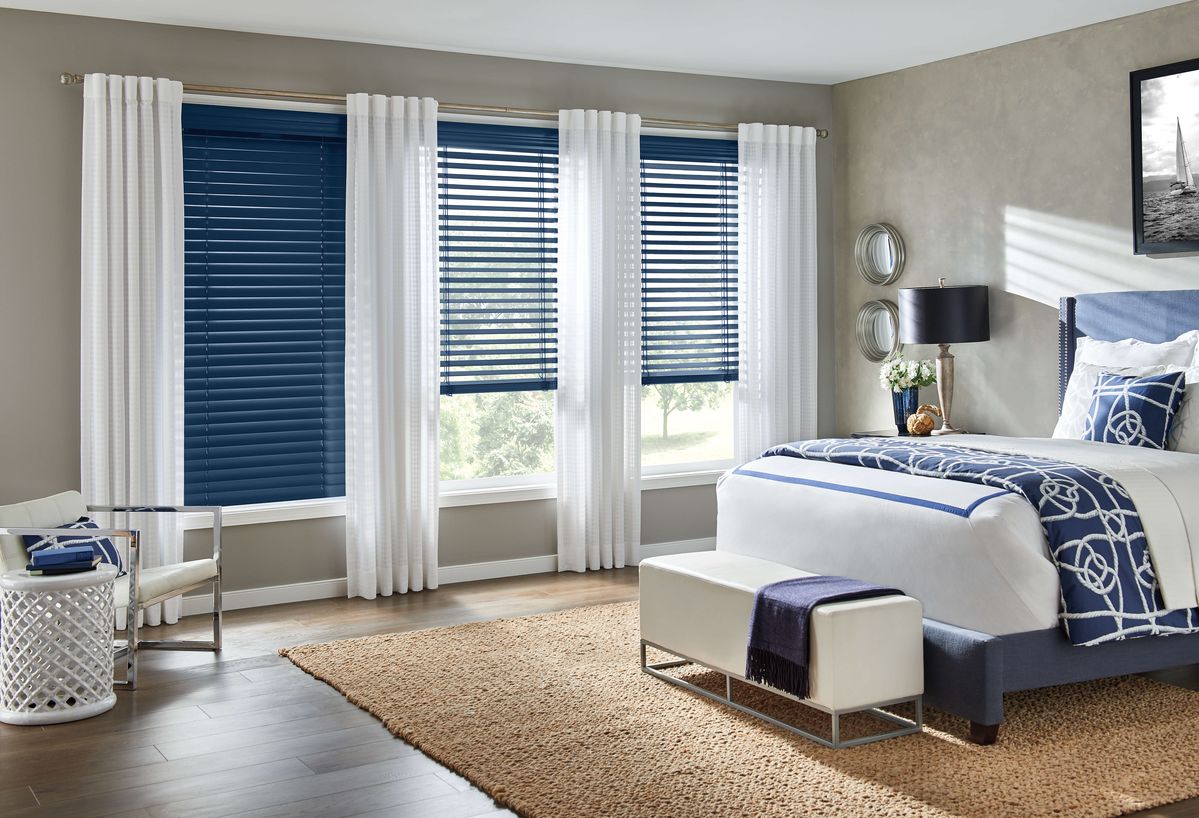
Why Material Choice Matters
The material of your shutters and blinds doesn’t just define their look — it determines their durability, performance, and suitability for each room. From humid kitchens to sunny living rooms, selecting the right material ensures your window coverings remain beautiful and functional for years.
At Light View Shutters & Blinds, we help homeowners choose materials that match both lifestyle and design preferences — combining elegance, practicality, and energy efficiency.
Wooden Warmth: Timeless Beauty and Natural Insulation
Wooden Venetian blinds and faux wood shutters continue to be top choices for homeowners who love the warmth of natural finishes.
- Wooden Venetian blinds bring organic charm, perfect for living rooms and bedrooms. Their rich grains and natural tones complement both modern and traditional interiors.
- Faux wood shutters, made from durable composites, mimic the texture of real wood but resist moisture — ideal for kitchens and bathrooms.
Wood provides excellent insulation, helping to maintain indoor temperatures while adding a luxurious feel to your home.
Metallic Precision: Sleek and Contemporary
For contemporary homes, aluminium Venetian blinds offer a clean and polished aesthetic.
They’re lightweight, moisture-resistant, and easy to clean — making them perfect for offices, lofts, or minimalist interiors. Their reflective surfaces also help bounce light deeper into the room, improving brightness and energy efficiency.
Fabric Finesse: Softness with Functionality
Fabric blinds come in endless textures, colours, and opacity levels, giving homeowners creative freedom.
- Skylight blinds in thermal or blackout fabric keep rooms cooler in summer and cosy in winter.
- Curtains paired with blinds create a layered look that enhances both style and insulation.
Choosing quality fabrics — whether sheer for gentle light diffusion or dense for complete privacy — ensures a balance between comfort and sophistication.
Innovation with Purpose: Sustainable and Smart Choices
Sustainability is shaping 2025’s window design trends. Eco-friendly materials such as responsibly sourced wood, recycled fabrics, and energy-reflective coatings are becoming standard.
Smart technology is also transforming window treatments. Many electric blinds now feature materials that adapt to light and temperature, offering both convenience and energy efficiency.
Room-by-Room Material Guide
| Room | Recommended Material | Ideal Product |
| Living Room | Real wood or faux wood | Wooden Venetian blinds / Plantation shutters |
| Kitchen | Composite or faux wood | Faux wood shutters / Aluminium blinds |
| Bathroom | PVC or moisture-resistant composites | Faux wood shutters / Skylight blinds |
| Bedroom | Fabric or blackout lining | Roman blinds / Curtains |
| Conservatory | Thermal fabric or reflective coating | Pleated or Roller blinds |
This quick guide makes it easy to match the right material to each room’s needs, blending aesthetics with practicality.
Conclusion
The right materials do more than enhance décor — they shape your home’s comfort, efficiency, and longevity. Whether you’re drawn to the classic warmth of wooden Venetian blinds, the moisture resistance of faux wood shutters, or the versatility of skylight blinds, your choices reflect how you live.
At Light View Shutters & Blinds, we combine craftsmanship, sustainability, and smart design to help you find window coverings that look beautiful and perform flawlessly across every room.
FAQs
1. Which material is best for bathroom shutters?
Faux wood or PVC shutters work best as they resist humidity and are easy to clean.
2. Are wooden blinds energy efficient?
Yes, real wood acts as a natural insulator, keeping rooms warmer in winter and cooler in summer.
3. What are the most durable blinds for kitchens?
Faux wood and aluminium blinds are perfect — they resist moisture, heat, and stains.
4. Can fabric blinds provide insulation?
Thermal or blackout fabrics help trap heat and prevent sunlight from overheating a room.
5. Are sustainable materials worth investing in?
Absolutely — they’re eco-friendly, durable, and enhance both home value and comfort.